
ETHICS AND DECISION-MAKING
ETHICS AND DECISION-MAKING
It is NEVER too early to prevent your next crisis.
A single lapse in ethics, especially in leadership, can permanently scar an organization and the people in it.
Don’t let that happen.
WORKSHOP 1: PITFALLS OF POWER
identify the subtle signs of counterproductive leadership
learn how power can gradually undermine perspective
keep an accurate view of ourselves, others, and the environment
WORKSHOP 2: MINIMIZING BIAS
recognize decisions can be justified in isolation yet create problems
avoid letting personal preferences damage organizational credibility
get practical safeguards against favoritism and blind spots
Each workshop is customized to the specific audience
John’s work has appeared in:




FIVE KEY TRAITS
- and how the military develops them -
FIVE KEY TRAITS
- how the military develops them -
How can we grow talent and engage employees in today’s hectic workplace? By focusing on five key traits and the unique ways the military develops each.
These traits underpin a reliable training culture that develops every type of person for every type of professional challenge - and has for nearly 400 years.
John explains this culture fully for the first time in his book and series of powerful workshops. Select one trait for an hour of sharp analysis and practical lessons, or select additional traits for a more complete experience.
THE TRAITS:
-
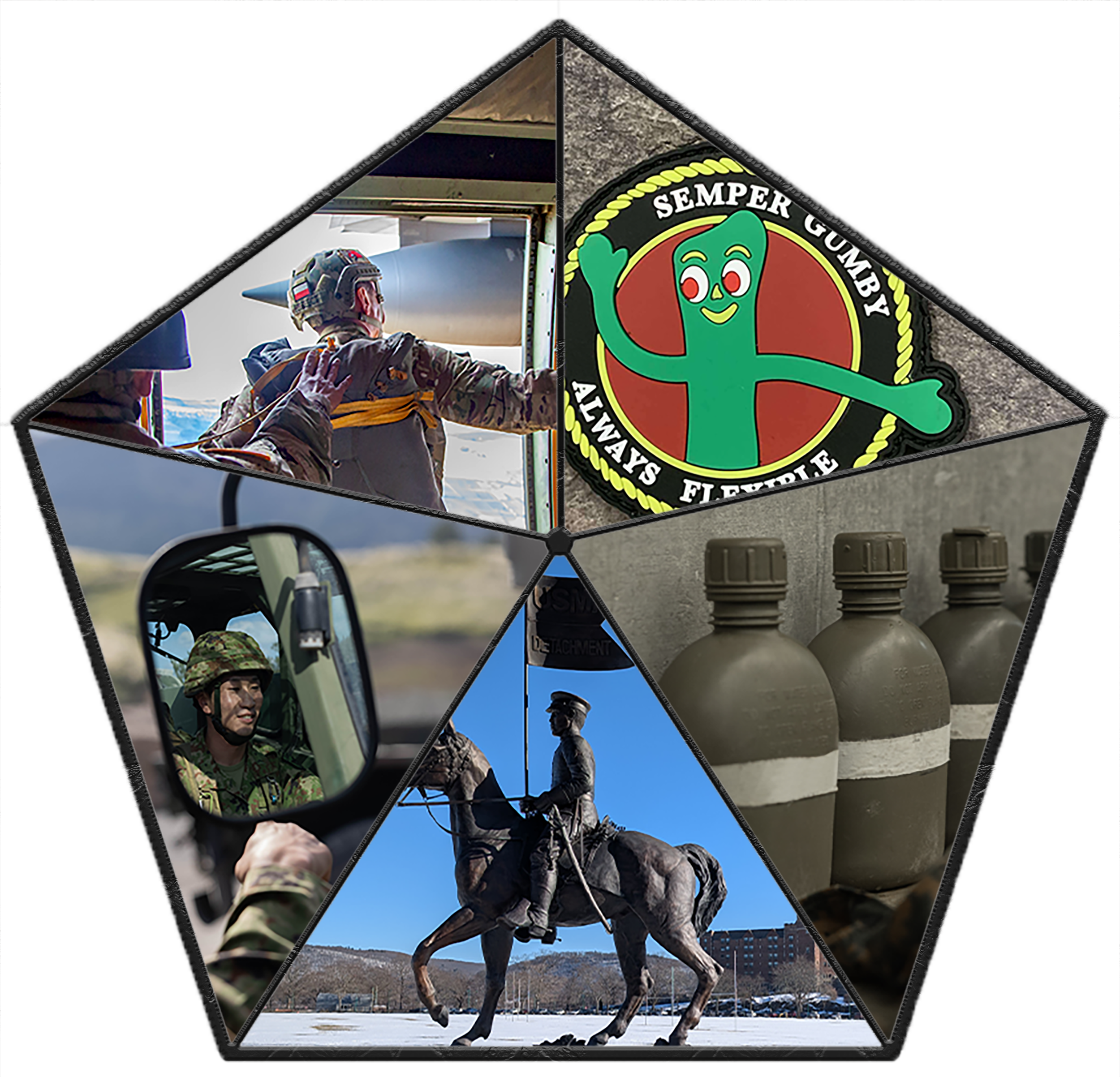
To be honest with ourselves in all respects—to derive confidence from our strengths and perspective from our flaws.
See the world and be seen by it accurately, and understand that the best way to avoid fooling ourselves is cultivating sources of genuine feedback. -
To act—to understand the value of imperfect action and keep moving forward when pessimism or inertia dull the motivation of those around you and create incentives to tolerate the status quo indefinitely.
-
To think practically—to understand that effort must be tempered with perspective. Block out drama and distraction, and prioritize results while keeping enough process to guard against recklessness.
-
To change—to welcome it instead of being pulled along grudgingly. Make small adjustments when the need is not obvious to others, and follow through on larger changes that take us further into the unknown.
-
To set boundaries and enforce standards - creating an environment that others recognize and respect. Avoid being swayed by personalities or temporary circumstances in favor of remaining true to what is lasting and consequential.
